

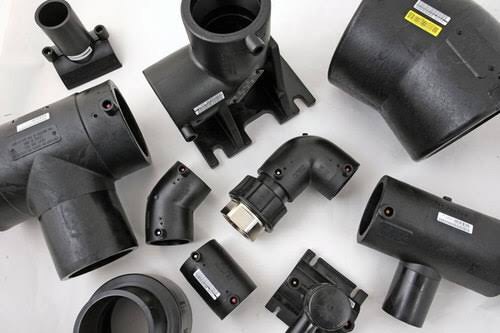
Introduction
In the realm of plastic pipe welding, a technology has
emerged that is revolutionizing the way pipes are joined together:
electrofusion fittings. These fittings are rapidly gaining popularity for their
strength, efficiency, and reliability in a wide range of applications, from
water and gas distribution to industrial piping systems. In this blog post,
we'll explore the world of electrofusion fittings, how they work, their
advantages, and the industries that benefit from this innovative pipe joining
technique.
Understanding Electrofusion Fittings
At its core, electrofusion is a fusion welding process
designed to join plastic pipes. Electrofusion fittings are specialized
components used for this purpose, and they are typically made from the same
thermoplastic material as the pipes they connect, such as polyethylene (PE) or
polypropylene (PP). The key feature of these fittings is the inclusion of a
heating element, which is used to fuse the fitting and the pipe together.
How Electrofusion Fittings Work ?
Electrofusion fittings work by using electrical energy to
melt the surfaces of two plastic pipes and fuse them together, creating a
strong and leak-proof joint. Here's a step-by-step explanation of how
electrofusion fittings work:
Material Compatibility : Electrofusion fittings are typically made from the same
thermoplastic material as the pipes they are connecting. Common materials
include polyethylene (PE) and polypropylene (PP). It is essential to ensure
that the fitting and the pipes are made of compatible materials.
Preparation :
Before beginning the electrofusion process, the pipe ends must be properly
prepared. This involves cleaning and scraping the pipe ends to remove any dirt,
oxidation, or contaminants that could interfere with the fusion process. A
clean surface ensures a reliable bond.
Alignment :
The two pipes to be joined are aligned correctly and inserted into the
electrofusion fitting. The fitting is designed to ensure the pipes are properly
aligned, which is crucial for a successful fusion.
Heating Element : Inside the electrofusion fitting, there is a heating element. This
heating element is typically a wire coil or embedded resistor that is
specifically designed to generate heat when an electric current passes through
it.
Connection to Power Source : An electrofusion control unit or welding machine is used to
provide the electrical power needed for the fusion process. The control unit is
connected to the fitting and the pipes.
Electrofusion Process : Once the pipes are properly aligned, and the power source is
connected, an electrical current is applied to the heating element within the
fitting. This current generates heat, causing the plastic material in the
fitting and the pipe ends to melt and become pliable.
Melt and Fusion : As the plastic material melts, it forms a molten layer at the interface
between the fitting and the pipe ends. This molten material fuses together,
creating a strong bond. The heat is precisely controlled to ensure that the
plastic reaches the right temperature for fusion without causing damage.
Cooling :
After the fusion process is complete, the joint is allowed to cool. During this
cooling phase, the molten plastic solidifies, forming a solid and permanent
connection between the pipes and the fitting.
Quality Assurance : Many electrofusion control units have built-in quality assurance
features, such as data logging and monitoring, to ensure that the fusion
process meets specified parameters and standards.
Final Inspection : Once the joint has cooled and solidified, a final inspection can be
performed to confirm the quality of the fusion. This often includes visual
checks and, in some cases, non-destructive testing methods.
The result is a robust and reliable joint that is as strong
as the original pipe material, resistant to leaks, and capable of withstanding
the demands of the application. Electrofusion is widely used in industries such
as water and gas distribution, industrial piping, agriculture, and more, due to
its efficiency and ability to create durable connections in plastic pipe
systems.
Advantages of Electrofusion Fittings
Electrofusion fittings offer several advantages over
traditional methods of joining plastic pipes. These advantages make them a
preferred choice for various industries and applications. Here are the key
advantages of electrofusion fittings:
Strong and Reliable Joints : Electrofusion creates joints that are as strong as the pipe
material itself. The fusion process ensures a seamless, leak-proof connection,
minimizing the risk of failures or leaks over time.
Excellent Leak Resistance : Electrofusion joints are known for their exceptional leak
resistance. The fused joint forms a continuous, homogenous connection that
eliminates the potential for leakage at the joint.
Chemical Resistance : Electrofusion fittings are highly resistant to chemical corrosion,
making them suitable for transporting a wide range of fluids, including
corrosive chemicals and wastewater.
Quick and Efficient : The electrofusion process is relatively quick, especially for smaller
diameter pipes. This efficiency can lead to faster installation times compared
to other joining methods.
Consistency :
Electrofusion provides uniform and consistent joints. The process is highly
controlled, reducing the likelihood of installation errors that can occur with
other methods.
Versatility :
Electrofusion fittings can be used with various thermoplastic pipe materials,
such as polyethylene (PE) and polypropylene (PP). This versatility makes them
suitable for a wide range of applications and industries.
Reduced Need for Excavation : In applications that require the repair or extension of
existing pipelines, electrofusion can often be performed without extensive
excavation. This reduces disruption to the surrounding area and minimizes
costs.
Long Service Life : Electrofusion joints are known for their durability and long service
life. They can withstand a wide range of environmental conditions, including
temperature variations and ground movement.
Minimal Maintenance : Once installed, electrofusion joints typically require minimal
maintenance. They are less prone to deterioration or degradation over time
compared to other types of joints.
Safety :
Electrofusion is a safe joining method. It does not involve open flames or
hazardous chemicals, reducing the risks associated with some other pipe joining
techniques.
Remote Operation : Electrofusion control units allow for remote operation, which can be
advantageous in challenging or hazardous environments. This feature enables
operators to maintain a safe distance from the fusion process.
Compatibility :
Electrofusion fittings are designed to be compatible with various electrofusion
control units and equipment, ensuring ease of use and interoperability.
Quality Assurance : Many electrofusion fittings are manufactured to strict quality
standards, and the fusion process is highly controlled and monitored, providing
assurance of joint quality.
Due to these advantages, electrofusion fittings have found
widespread use in industries such as water and gas distribution, industrial
piping, wastewater treatment, agriculture, and more. Their ability to create
durable, leak-resistant connections has made them a valuable solution for
ensuring the integrity of plastic pipe systems.
Applications of Electrofusion Fittings
Electrofusion technology finds a wide range of applications
across various industries due to its ability to create strong and reliable
joints in plastic pipes. Here are some of the primary applications of
electrofusion:
Water and Gas Distribution :
Municipal Water Supply : Electrofusion fittings are commonly used to connect
and repair water mains and distribution lines. These joints are highly durable
and resistant to corrosion.
Natural Gas Distribution : Electrofusion is also employed in the natural gas
industry to create secure and leak-proof connections for gas pipelines.
Industrial Piping :
Chemical Processing : Industries that deal with the transportation of chemicals
and corrosive substances often use electrofusion fittings for their resistance
to chemical corrosion.
Cooling Systems : Electrofusion is suitable for creating joints in cooling
systems, including those used in power plants, manufacturing facilities, and
HVAC systems.
Mining : Electrofusion is used in mining operations to connect and repair pipes
for the transportation of water, slurry, and other materials.
Wastewater Treatment :
Electrofusion is integral to the construction and maintenance
of wastewater treatment plants. It is used for connecting pipes in sewage
systems, treatment facilities, and drainage systems.
Agriculture :
Irrigation Systems : Electrofusion fittings are used in agricultural irrigation
systems to connect and repair pipes that transport water to fields, ensuring
efficient water distribution.
Utilities and Infrastructure :
Telecommunications : Electrofusion is used for underground conduit systems that
house fiber-optic and electrical cables, providing protection and stability.
Electrical Conduit : It is employed in electrical conduit systems for routing
electrical wiring underground, ensuring safety and durability.
Aquaculture :
Fish Farms : Electrofusion fittings are used in aquaculture systems to
create strong connections for pipes used in water recirculation and oxygenation
systems.
Construction :
Geothermal Heating and Cooling : Electrofusion is used in geothermal
systems to create reliable connections for the distribution of heated or cooled
water throughout buildings.
Infrastructure Projects : For construction projects, such as bridges and
tunnels, electrofusion is used for connecting drainage pipes and ensuring
long-term reliability.
Landfills and Environmental Remediation :
Landfill Leachate Collection : Electrofusion fittings are used to
create leak-resistant joints in pipes used to collect leachate from landfills.
Environmental Cleanup : In environmental remediation projects, electrofusion
is used for connecting pipes used to transport contaminated groundwater.
Renewable Energy :
Solar and Wind Farms : Electrofusion is used for connecting and repairing
underground pipes that transport fluids in solar thermal and geothermal systems
associated with renewable energy installations.
Infrastructure Rehabilitation :
Electrofusion is often used in the rehabilitation of existing
infrastructure, such as repairing or connecting pipes in aging water and sewage
systems without the need for extensive excavation.
In all these applications, electrofusion fittings offer
numerous advantages, including strength, durability, leak resistance, and ease
of installation. As a result, they have become a preferred choice for many
professionals and industries looking to establish reliable and long-lasting
connections in plastic pipe systems.
Conclusion
Electrofusion fittings represent a significant advancement in the world of plastic pipe joining. Their strength, efficiency, and versatility make them a preferred choice in many industries. As technology continues to evolve, electrofusion fittings are likely to play an even more prominent role in the development of efficient and durable piping systems, ensuring the reliable delivery of essential resources like water and gas to communities around the world. Whether you're a professional in the plumbing industry or just curious about the latest innovations, keep an eye on the future of electrofusion fittings.