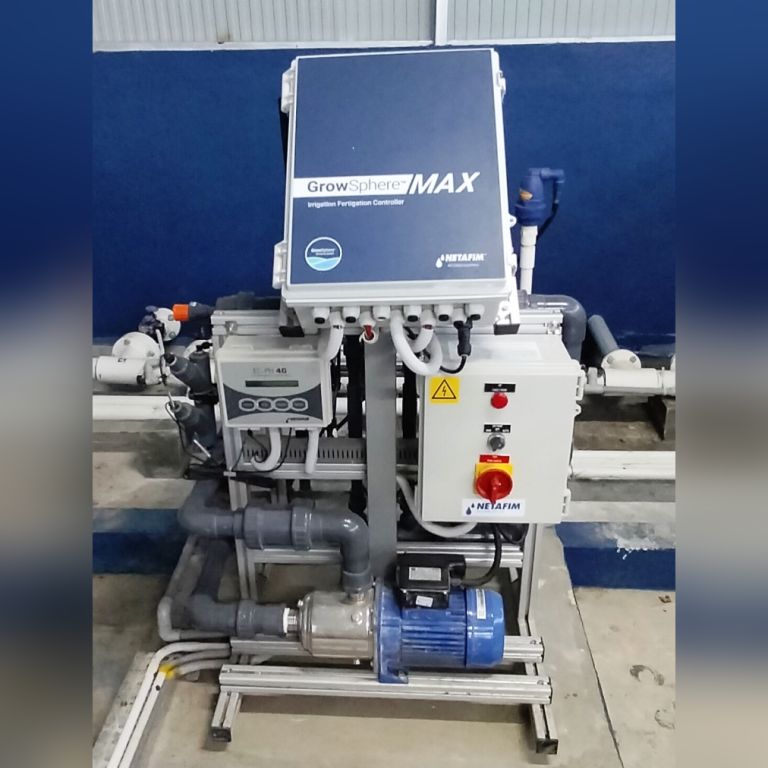
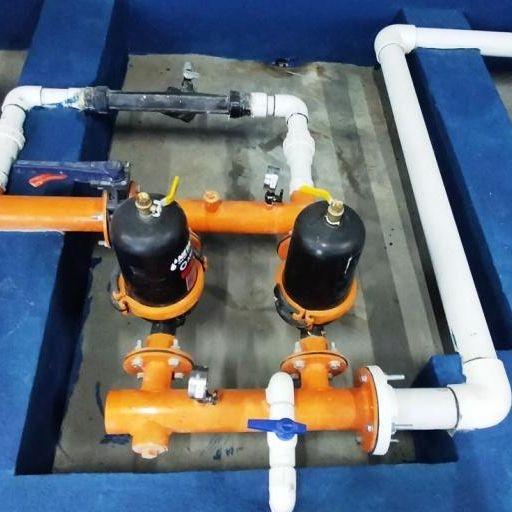
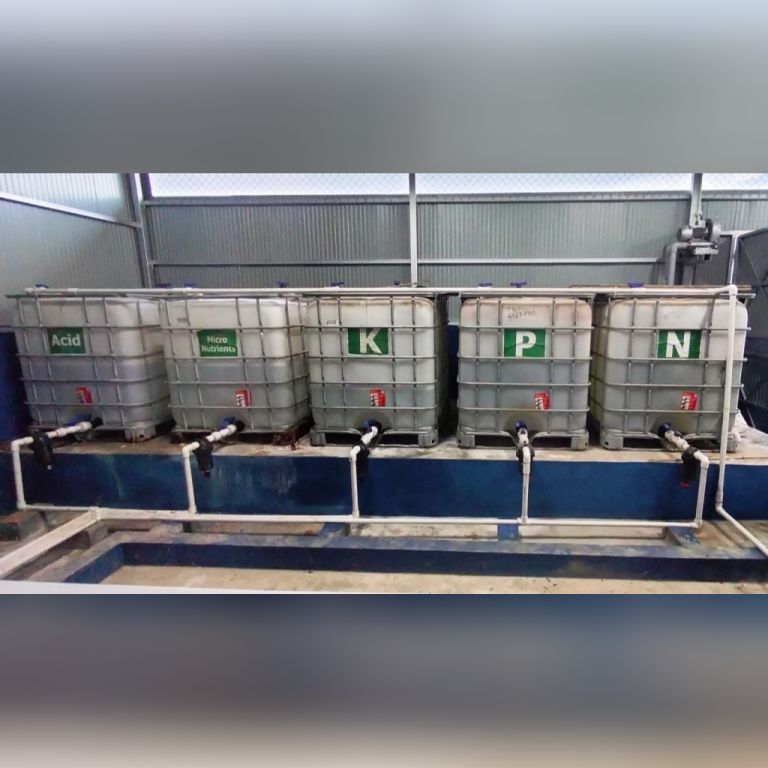
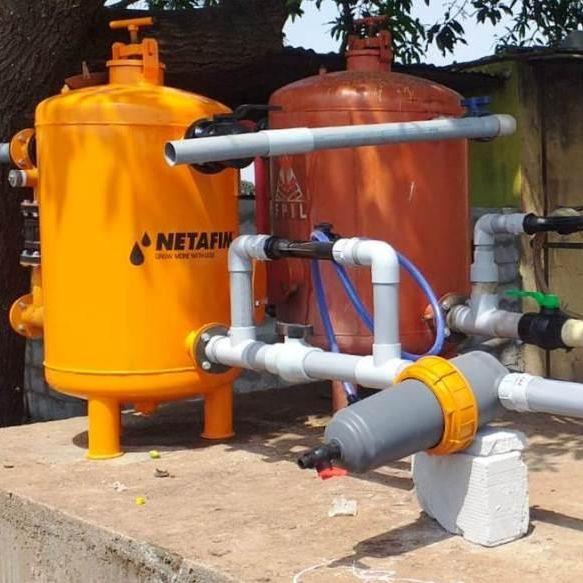
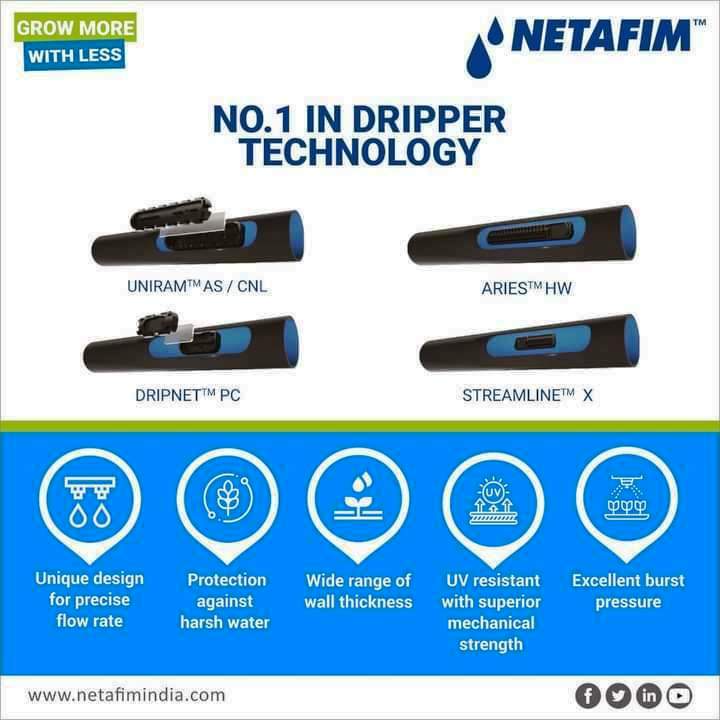
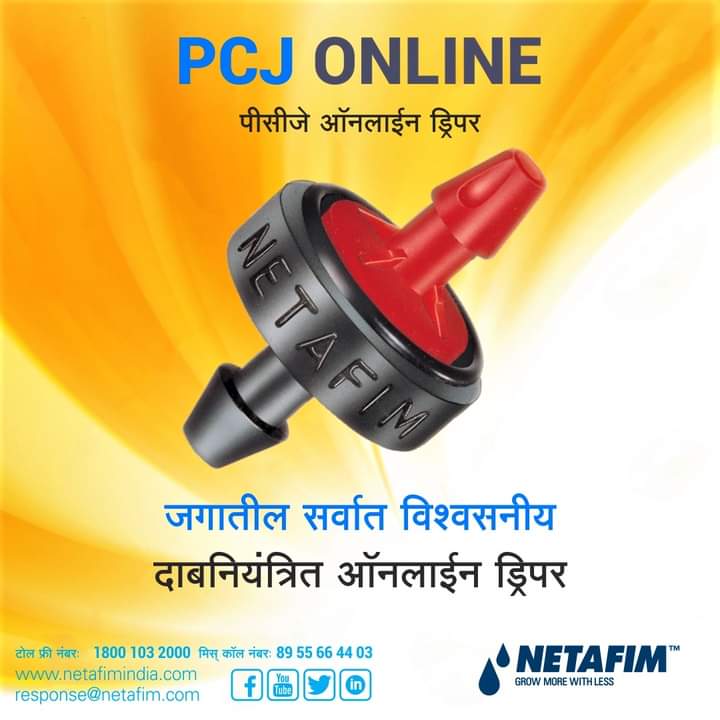
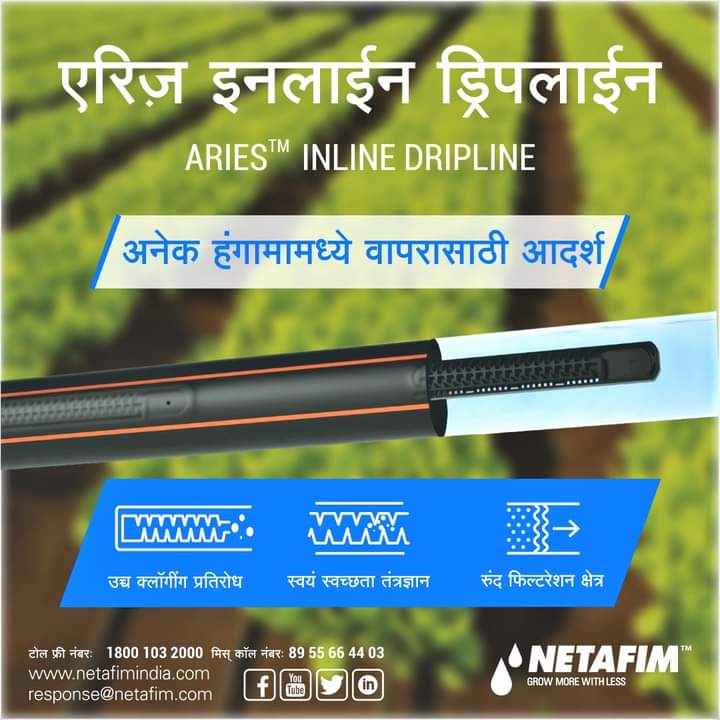
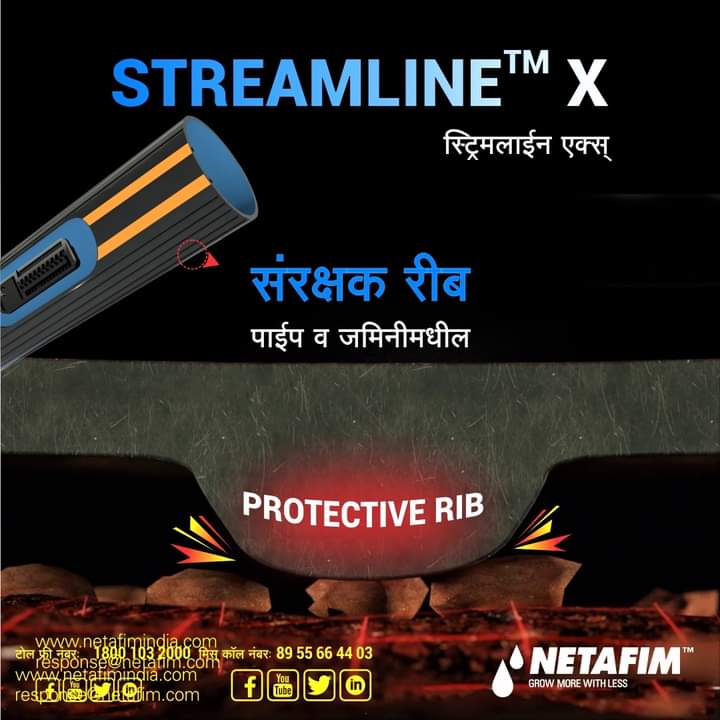
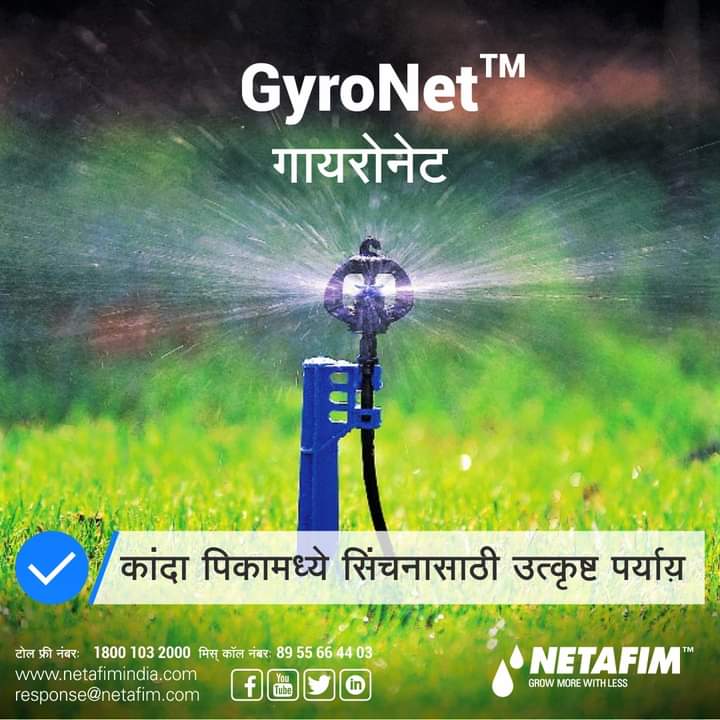
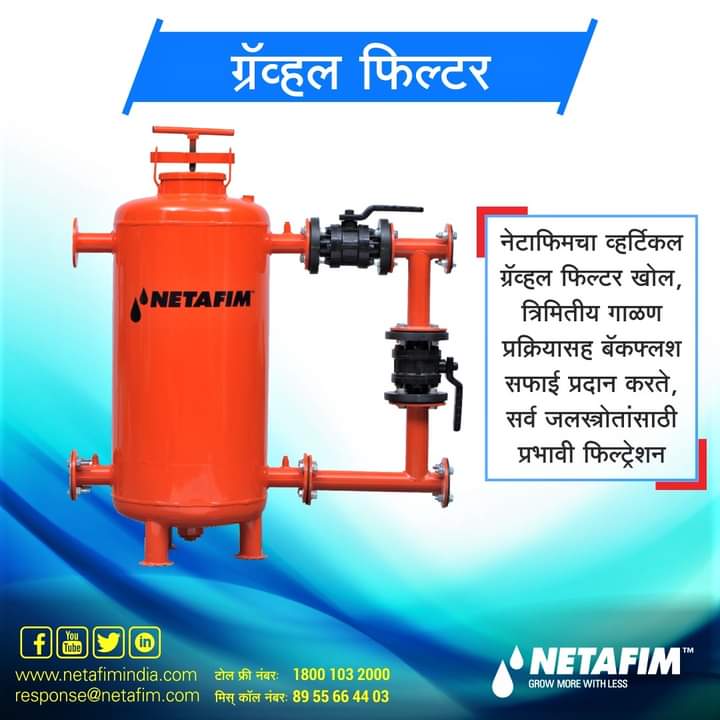
Drip & Sprinklers irrigation systems deliver small amounts of water directly by utilising advanced technology. Water usage can be optimised with this irrigation method. Here watering and fertiliser can be combined to provide nutrients. By supplying water and nutrients at the right time, precision irrigation can promote a sustainable farming practice.
It is an advanced agricultural practice that ensures the right amount of water is applied at the right time and directly to the root zone of crops. It integrates technology, data analysis, and efficient irrigation methods to optimize water usage while maintaining or improving crop yield and quality.

Water Efficiency: Reduces evaporation and runoff by delivering water directly to the root zone. Reduces water wastage by up to 50-70% compared to traditional methods.
Increased Crop Yield: Maintains consistent soil moisture levels, promoting optimal plant growth. Enhances nutrient uptake, resulting in healthier and more productive crops.
Weed Control: Limits water to the plant’s root zone, reducing water availability for weeds. Minimizes the growth of unwanted plants in the field.
Energy Efficiency: Operates at lower pressures, reducing energy consumption. Suitable for use with solar-powered pumps in remote areas.
Reduced Soil Erosion: Delivers water gently and directly to the soil, preventing erosion and waterlogging. Helps maintain soil structure and fertility.
Fertilizer Efficiency: Allows fertigation (application of fertilizers through the irrigation system), ensuring nutrients reach the roots directly. Minimizes nutrient leaching and wastage.
Adaptability to Various Terrains: Works well on uneven landscapes, slopes, and irregularly shaped fields. Provides uniform water distribution regardless of field topography.
Disease Prevention: Keeps foliage dry, reducing the risk of fungal and bacterial diseases. Limits water splashing, which can spread soil-borne pathogens.
Flexibility for Various Crops: Suitable for a wide range of crops, including fruits, vegetables, flowers, and trees. Works for both small-scale gardens and large agricultural fields.
Labor and Time Savings: Automates irrigation, reducing manual labor and time spent on watering. Simplifies water management with programmable timers and sensors.
Environmental Benefits: Conserves water resources, especially in arid regions. Reduces chemical runoff, protecting nearby water bodies and ecosystems.
Cost-Effectiveness: Though initial installation may be costly, long-term savings in water, energy, and labor make it economically viable.
Designing a micro-irrigation system involves the strategic application of water directly to the root zone of plants through a network of pipes, emitters, and other components. Micro-irrigation systems include drip irrigation, sprinklers, and micro-sprayers, depending on crop type, spacing, and water needs.:
Determine Water Needs:
Water Source:
Land Topography: Map the elevation profile of the field to account for pressure variations due to slopes.
Selection of Micro-Irrigation Systems:
System Design:
Selection of Systems Components:
Installation:
Drip & Sprinklers - Netafim
HDPE Pipes - Supreme
MDPE Pipes - Kimplas
Compression Fittings - Kimplas
Electrofusion Fittings - Kimplas
Valves - Zoloto, Normax
HDPE Fittings - Polymold